
News
News & Stories
Project updates, announcements, new publications, and media features from the ID-DarkMatter-NCD consortium. Check back regularly for the latest from the project.
September 22, 2026
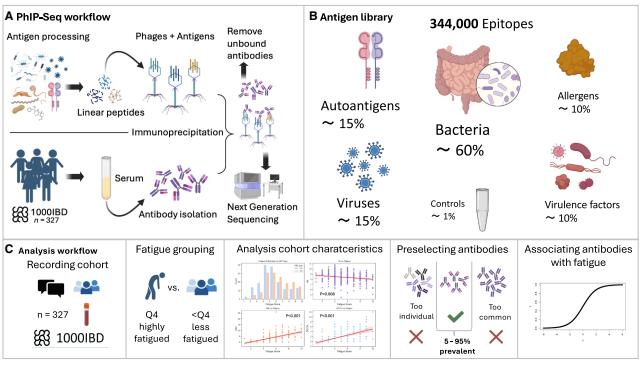
Tracing immune signatures of fatigue in inflammatory bowel disease
New research explores how antibody responses to bacterial and viral antigens may be associated with one of the most burdensome symptoms of IBD
Read more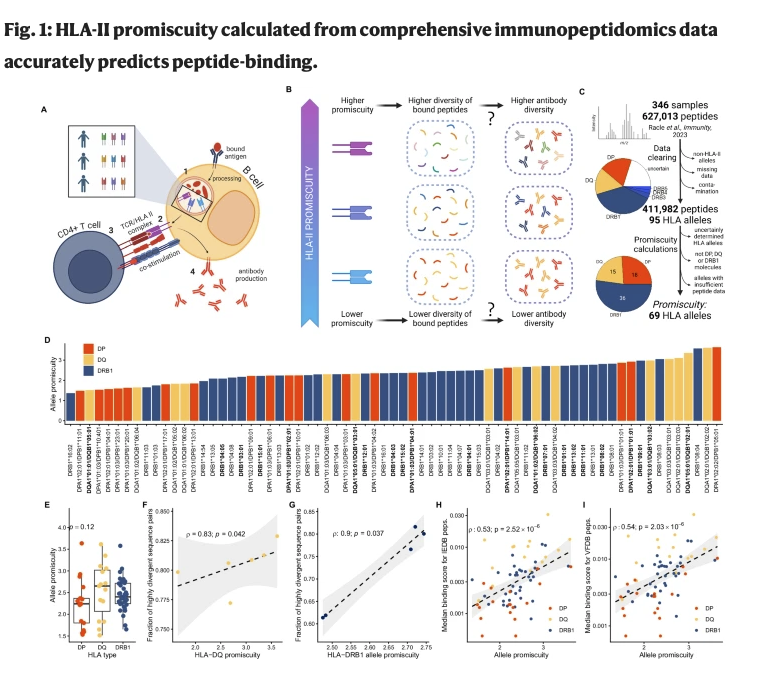
September 3, 2026
How HLA-II peptide-binding diversity shapes immune responses and susceptibility to infection
New research published in Nature Communications reveals how inherited differences in HLA class II molecules influence antibody responses and susceptibility to infectious diseases. By combining molecular and population-scale data, the study shows that people whose HLA-II molecules can present a broader range of peptides generally experience more favourable outcomes for several common infections.
Read more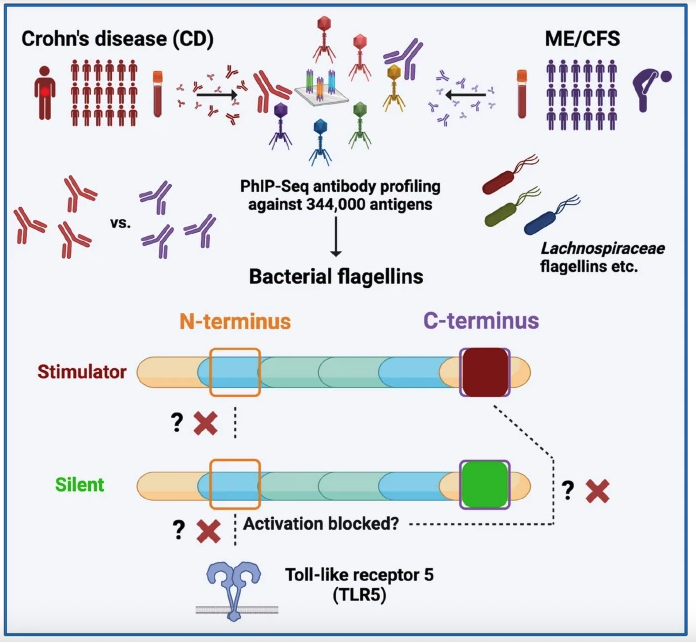
August 28, 2026
How antibodies against gut bacteria reveal shared and distinct immune responses in Crohn’s disease and ME/CFS
A study supported by the ID-DarkMatter-NCD project provides new insights into how the immune system responds to bacterial flagellins in Crohn’s disease and myalgic encephalomyelitis/chronic fatigue syndrome. The findings identify both shared and disease-specific antibody patterns and open new avenues for biomarker development and mechanistic research.
Read more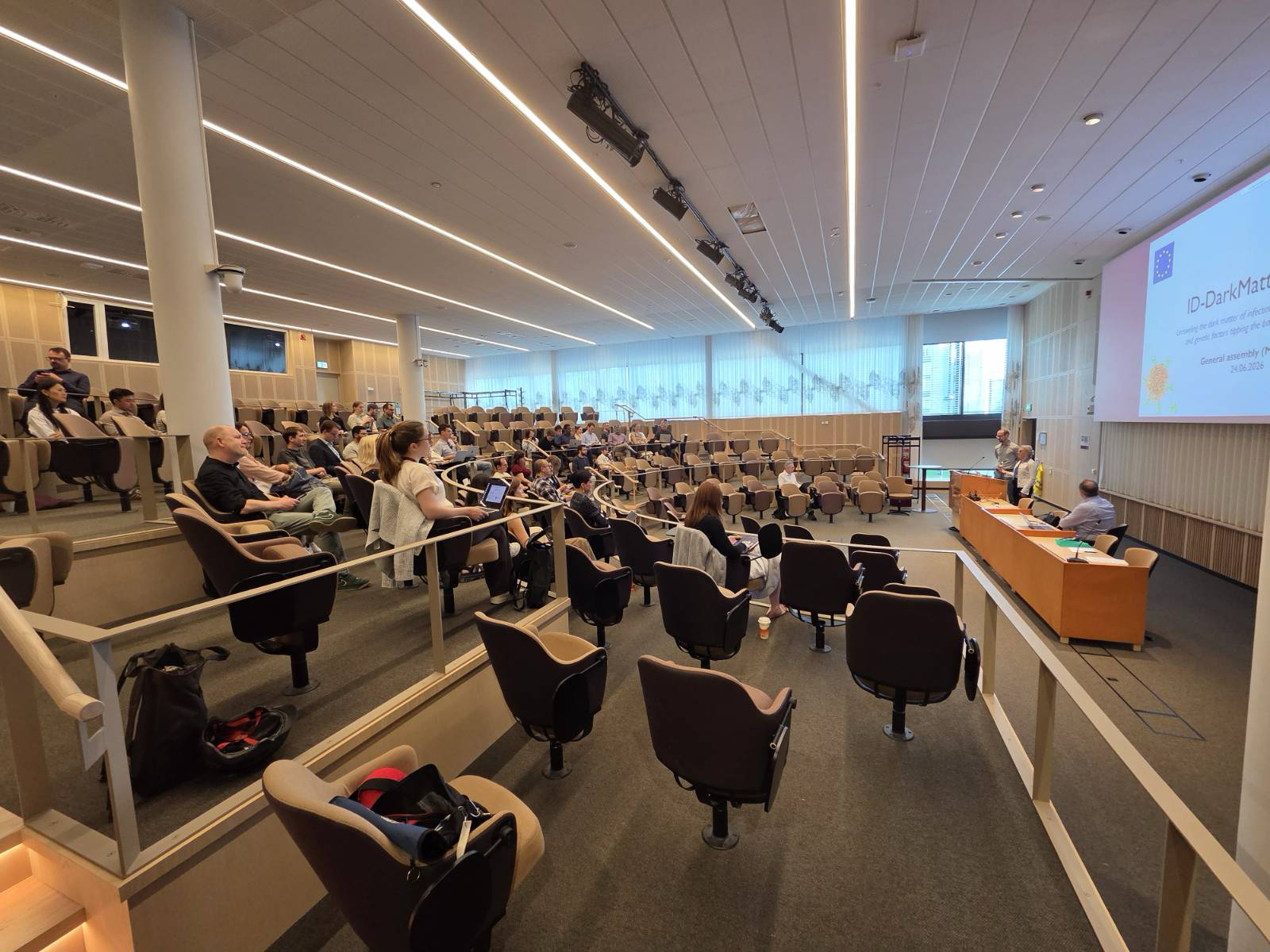
June 29, 2026
Hidden Clues to Autoimmune Disease: DarkMatter Symposium Showcases New Insights into Immune Triggers and Disease Development (Part 2)
Detecting inflammatory bowel disease before symptoms appear.
Read more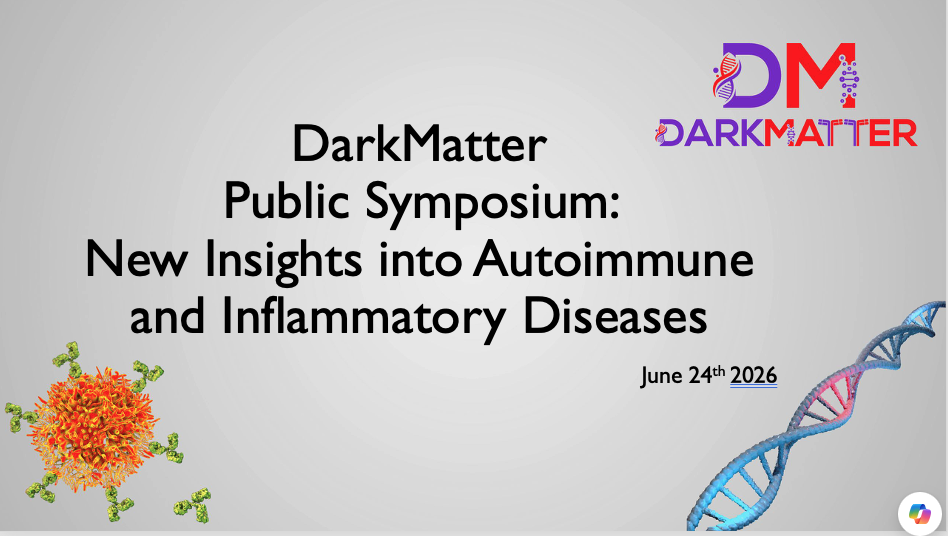
June 29, 2026
Hidden Clues to Autoimmune Disease: DarkMatter Symposium Showcases New Insights into Immune Triggers and Disease Development (Part 1)
Researchers from across Europe gathered at Karolinska Institutet in Stockholm on June 24th 2026 for the DarkMatter Public Symposium to present the latest discoveries on the hidden immune mechanisms that contribute to autoimmune and inflammatory diseases. The event highlighted how genetics, infections, environmental exposures and advanced multi-omics technologies are helping to uncover why diseases such as rheumatoid arthritis, inflammatory bowel disease and multiple sclerosis develop—and why only some individuals become affected.
Read more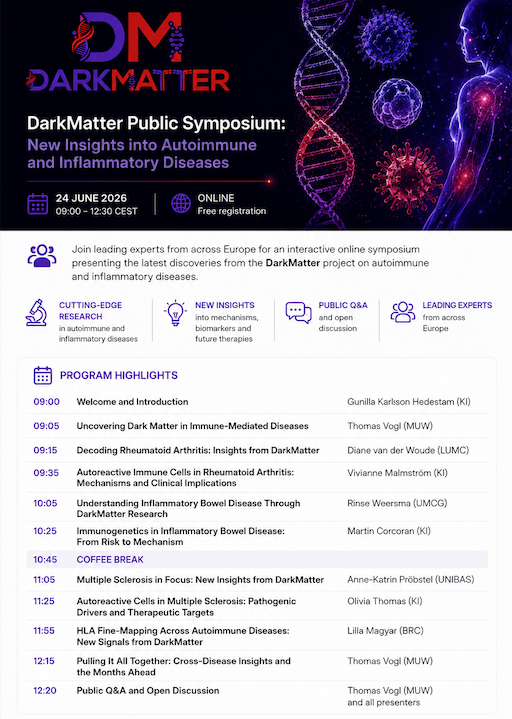
June 17, 2026
DarkMatter Public Symposium: New Insights into Autoimmune and Inflammatory Diseases, June 24th 09:00 - 12:30 CEST
What if the key to understanding autoimmune and inflammatory diseases lies in what we cannot yet see?
Read more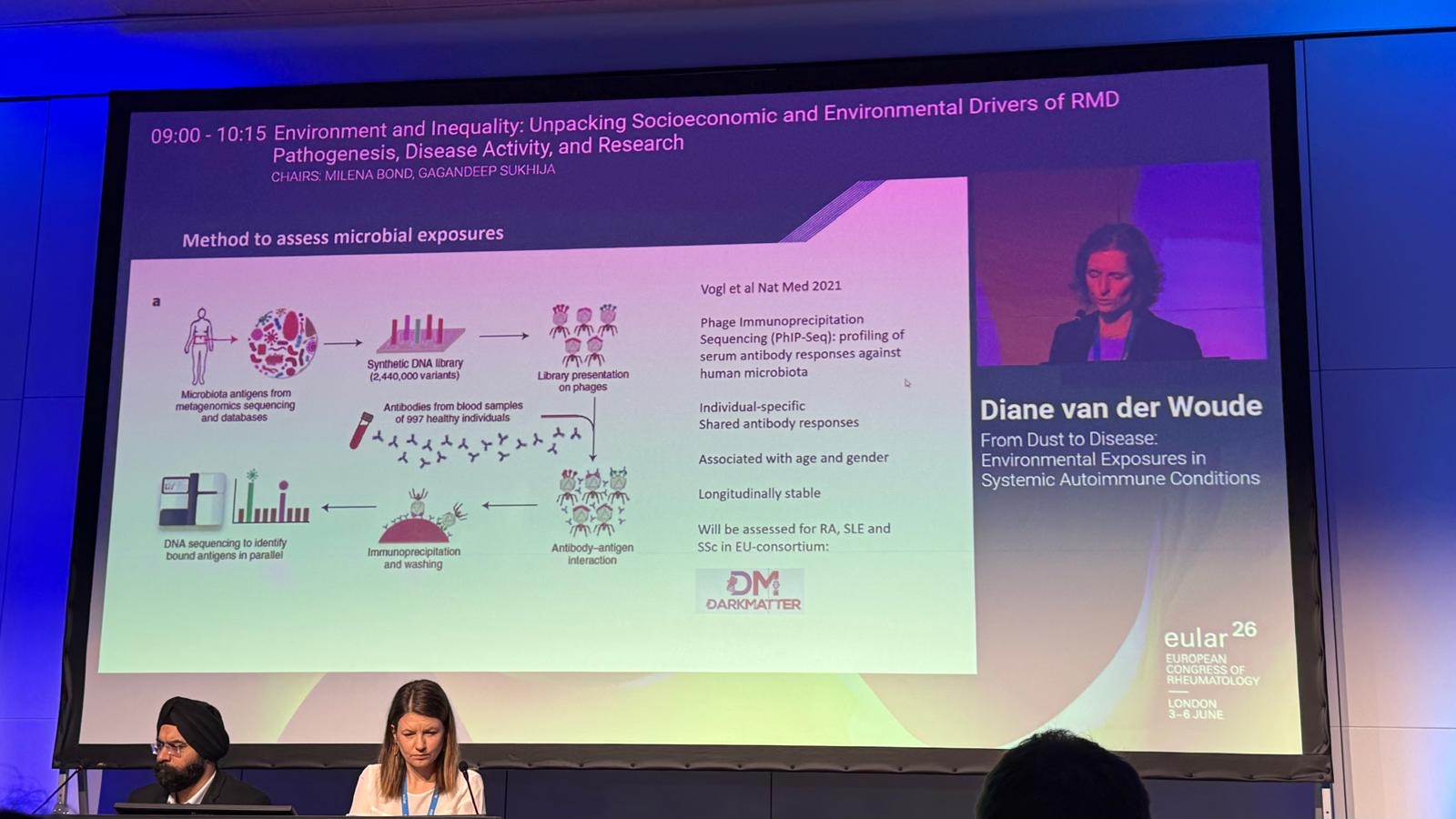
June 11, 2026
DarkMatter at EULAR 2026: Science, Collaboration and Community Engagement on the International Stage
The EULAR 2026 Congress brought together thousands of researchers, clinicians, healthcare professionals, patient representatives, and industry stakeholders from across the globe. As Europe's premier rheumatology congress, EULAR serves as a vital platform for sharing scientific discoveries, building collaborations, and advancing patient care.
Read moreLatest News Feed
Visit this section regularly for updates on publications, consortium meetings, conferences, and media features. You’ll find summaries, press releases, and links to our appearances and coverage.
%2C%20Color%3DNegative.png)


This project has received funding from the European Union’s Horizon Europe research and innovation programme under grant agreement no. 101136582 as well as the Swiss State Secretariat forEducation, Research and lnnovation (SERI).
Views and opinions expressed are however those of the author(s) only and do not necessarily reflect those of theEuropean Union, the European Health and Digital Executive Agency (HaDEA) orSERI. Neither the European Union, HaDEA nor SERI can be held responsible for them.


